Replace Fire-Damaged Insulation
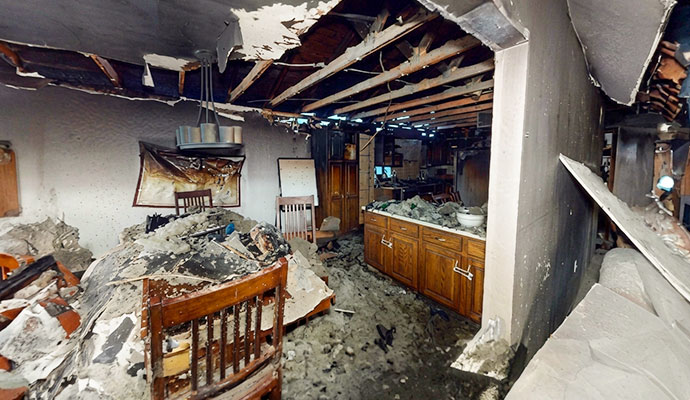
Smoke and soot from fire damage affect insulation throughout your property, even if the flames never reach it. Heat and firefighting water also leave insulation contaminated and wet.
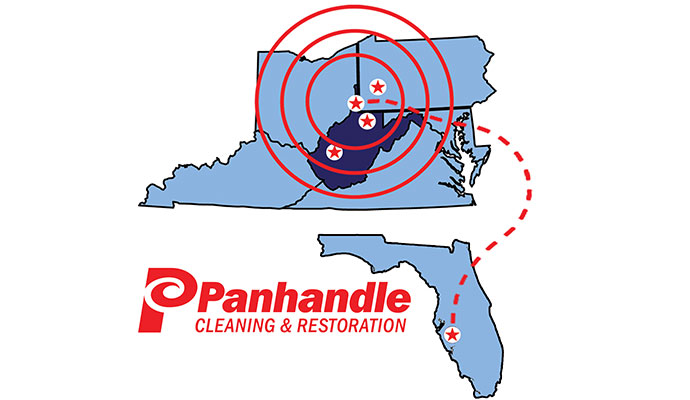
Panhandle Cleaning & Restoration provides insulation replacement for fire-damaged properties in homes and businesses. Replacing damaged insulation also helps improve indoor air quality and thermal efficiency. Call now to schedule an inspection in West Virginia, Ohio, Pennsylvania, Maryland, Kentucky, and Florida.
866-515-2364When to Replace Insulation?
Insulation requires replacement after a fire for several reasons. The following types of damage indicate that the insulation is no longer suitable for use.
Flames burn, char, melt, or destroy insulation materials.
Smoke particles penetrate insulation and leave persistent odors.
Soot settles in insulation and leaves it contaminated
Insulation absorbs strong smoke odors that remain after fire damage.
Intense heat alters insulation materials even without direct flame contact.
Water used during firefighting saturates insulation, causing water damage.
The Need for Timely Insulation Replacement
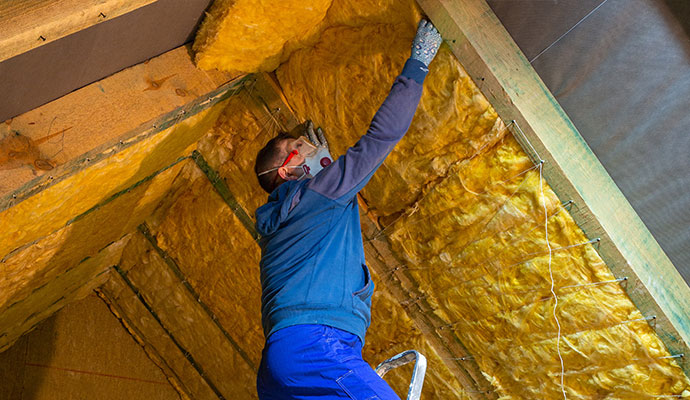
Insulation replacement is an essential part of restoring a property affected by a fire. Damaged insulation needs to be removed before restoration work can address the affected areas.
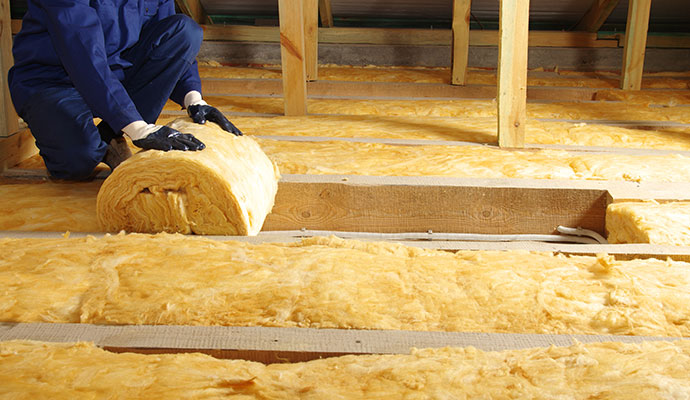
We remove affected insulation and replace it with suitable materials as part of our fire damage restoration service. This prepares walls, ceilings, attics, and other affected areas for the remaining restoration work.
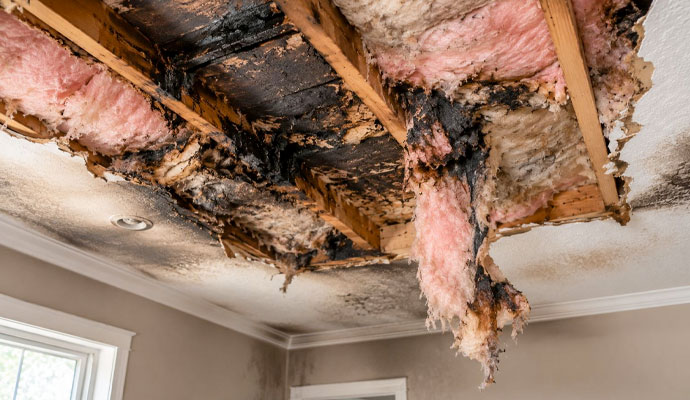
Effects of Fire and Smoke on Insulation
Fire and smoke affect insulation in different ways, depending on the material and level of exposure. Direct heat can char, melt, or alter insulation. Smoke and soot settle within the material and spread contaminants and odors.
Firefighting water also affects insulation by saturating the material and adding moisture. Insulation in wall cavities, ceilings, and attics can also be affected when smoke, soot, heat, or firefighting water reaches these areas.
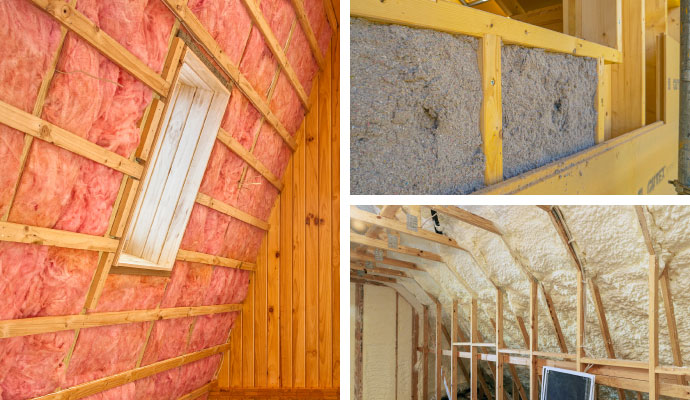
Types of Insulation We Replace
Properties use several types of insulation, and each has different characteristics and applications. Knowing which materials are present helps us adjust our process for insulation replacement. We cover the following types of insulation:
- Fiberglass insulation
- Cellulose insulation
- Spray foam insulation
- Rigid foam insulation
- Batt insulation
- Roll insulation
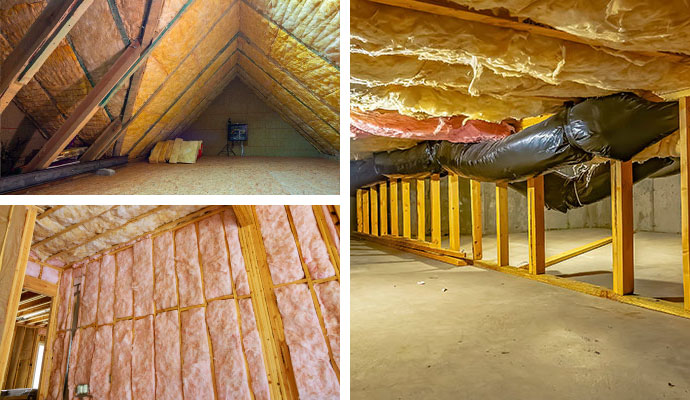
Areas Affected by Fire-Damaged Insulation
Insulation is typically installed in several parts of a property, including enclosed and unfinished spaces. We check these areas for insulation affected by smoke, soot, heat, or firefighting water:
- Attics
- Walls
- Ceilings
- Crawlspaces
- Basements
- Garages
Fire Damage Restoration for Homes and Businesses
Fire damage affects more than insulation, leaving other areas of your property needing restoration. Panhandle Cleaning & Restoration provides restoration and cleanup for different types of fire damage.
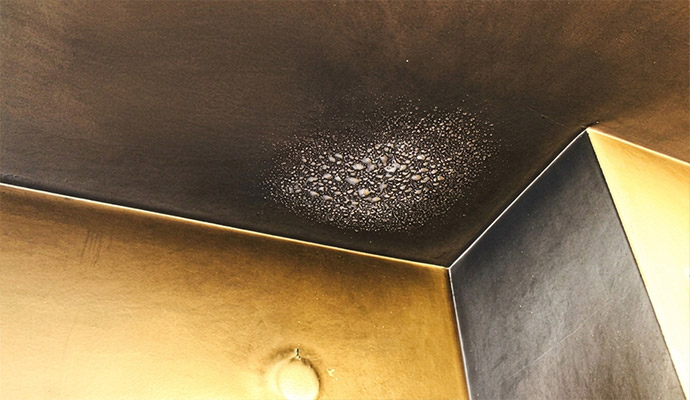
 Smoke and Soot Restoration
Remove smoke and soot contamination from affected surfaces

 Smoke Odor Removal
Remove persistent smoke odors from affected areas and materials
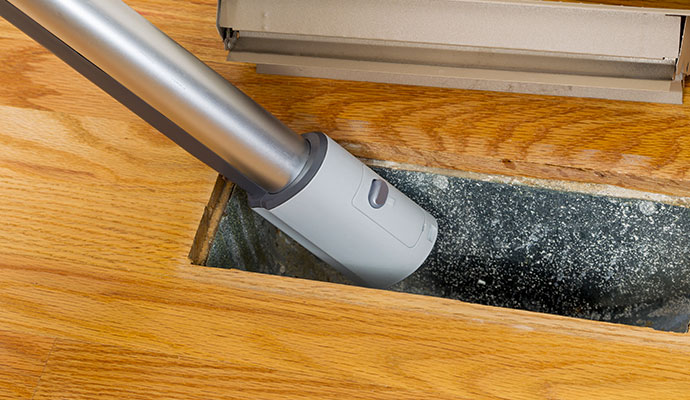
 Duct Smoke Removal
Remove smoke and soot contamination from affected air ducts
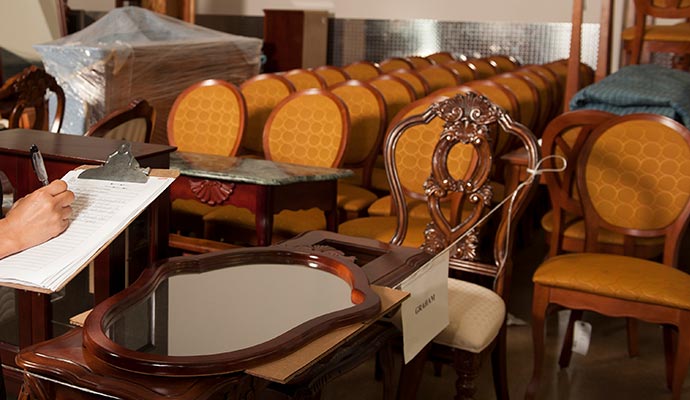
 Contents Restoration
Restore belongings affected by smoke, soot, fire, and water
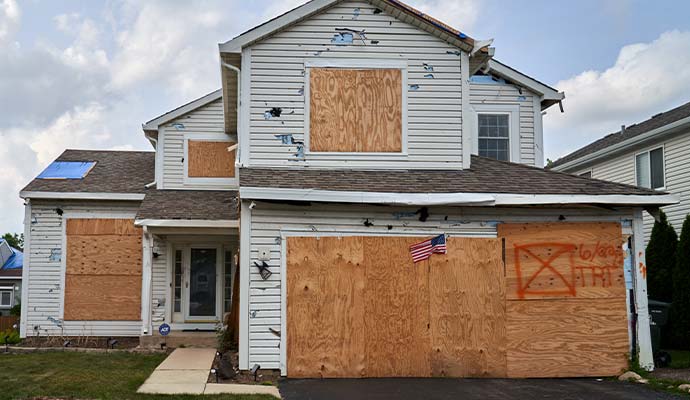
 Board Up Service
Secure damaged openings to protect properties after fire damage
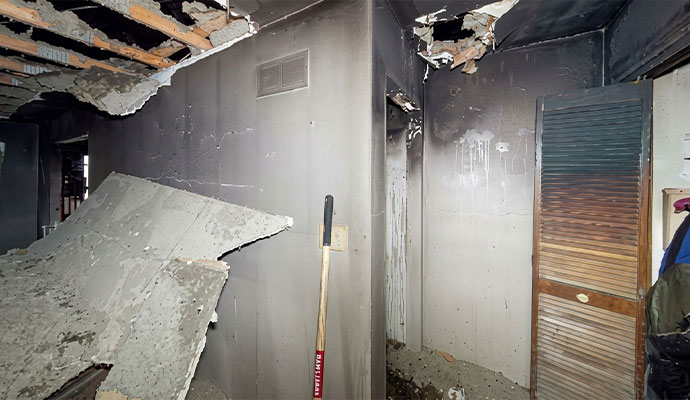
 Structural Fire Restoration
Restore structural areas affected by fire, smoke, and soot
Call Now for Insulation Replacement
Fire-damaged insulation requires prompt attention before other restoration work continues. If fire damage has affected your insulation, contact Panhandle Cleaning & Restoration to discuss replacement.
Our certified professionals serve homes and businesses in Wheeling, Morgantown, Charleston, and other locations in our multi-state service area. We inspect the affected areas, identify damaged insulation, and provide an estimate for the work. Call now or submit our online form to schedule an inspection.