Common Causes of Fire in Homes and Businesses
Fires begin in many different ways, and the source is not always obvious after the flames are extinguished. Electrical faults, cooking equipment, heating systems, and open flames all create different fire risks in homes and businesses.
Fire damage also spreads beyond the place where a fire started. Smoke and soot spread through multiple rooms, while firefighting water affects floors, walls, and ceilings. Understanding common fire causes also provides useful context when assessing the damage left behind.
Common Causes of Property Fires
<!-- Block#: https://blocks.galaxyseo.com/assets/images/components/list-2.jpg -->
A fire needs an ignition source and something flammable. Daily activities and household equipment provide both, especially when heat, flames, or sparks come into contact. Six common causes include:
- Cooking equipment: Overheated oil, grease, and unattended cooking ignite quickly.
- Electrical problems: Faulty wiring, damaged cords, and overloaded circuits produce excess heat or sparks.
- Heating equipment: Furnaces, space heaters, fireplaces, and wood stoves can ignite nearby materials.
- Candles and open flames: Flames can reach curtains, furniture, paper, and other combustible items.
- Smoking materials: Cigarettes and other smoking products can ignite furniture, bedding, trash, or vegetation.
- Appliance failures: Malfunctioning motors, wiring, heating elements, and other components also start fires.
Kitchen Equipment and Grease
Kitchens contain several potential ignition sources, including stovetops, ovens, grills, and cooking oils. Grease and cooking oils become particularly hazardous when exposed to excessive heat or an open flame.
Kitchen fires also produce significant smoke and soot. Even when flames remain within the kitchen, smoke and soot spread into nearby rooms and settle on cabinets, walls, and other surfaces.
Electrical Faults and Overloaded Circuits
Faulty outlets, wiring, appliances, electrical panels, and other components lead to electrical fires. This is because damaged insulation, loose connections, or overloaded circuits create excessive heat or sparks.
Electrical fires often start in places that aren't immediately visible, such as behind walls or inside electrical equipment. By the time you notice the odors, the fire might have already spread.
Heating Equipment and Combustible Materials
Heating equipment is another source of fires, especially when a heat source is placed too close to flammable materials. Space heaters, furnaces, fireplaces, boilers, and wood stoves all produce enough heat to ignite nearby materials.
A space heater sitting beside a curtain or a box left near a furnace creates an obvious fire risk. Equipment malfunctions can also lead to fires, especially if it's an electrical or mechanical issue.
Candles and Other Open Flames
Candles, fireplaces, grills, matches, and similar sources can ignite surrounding materials when flames come into contact with combustible items. Cigarettes present a major risk because they can remain hot after they're extinguished. A discarded cigarette can ignite furniture, bedding, paper, trash, or dry vegetation.
Appliance and Equipment Malfunctions
Homes and businesses depend on numerous appliances. A faulty dryer, refrigerator, HVAC system, generator, or other appliance can overheat and start a fire. Lint buildup, damaged wiring, worn parts, and other problems can make appliances more likely to overheat and cause a fire.
Flammable Liquids and Chemicals
Gasoline, solvents, paints, fuels, and other flammable materials ignite when they come into contact with a spark or hot surface. Some liquids also release vapors that ignite easily, creating another source of fire.
Garages, workshops, warehouses, and commercial properties often keep these materials on site. Poor storage, spills, and leaks increase the risk, especially near electrical equipment or heaters.
Factors That Help a Fire Spread
<!-- Block#: https://blocks.galaxyseo.com/assets/images/components/list-2.jpg -->
How a fire starts is only part of the story. The materials inside a property, the amount of airflow, and the layout of the space all affect how quickly flames spread. Several factors contribute to this:
- Combustible materials: Furniture, paper, textiles, wood, and plastics serve as fuel for a fire.
- High temperatures: Intense heat causes nearby materials to ignite and allows the fire to spread faster.
- Oxygen: A steady supply of air keeps a fire burning.
- Open spaces: Large, unobstructed areas give flames a clear path to nearby materials.
- Ventilation: HVAC systems, ducts, and other openings allow smoke and heat to spread.
- Building materials: Wood, plastics, insulation, and other construction materials burn at different rates.
Damage Left Behind After a Fire
Flames are only one effect of a property fire. Smoke and soot spread beyond the burned areas. Water used during firefighting also leaves moisture throughout the building.
A fire damage inspection looks at the entire property. It identifies damage to structural materials and contents, along with smoke residue, odors, and water damage. These findings determine the cleanup and restoration work required.
Addressing Fire Damage Through Restoration
<!-- Block#: https://blocks.galaxyseo.com/assets/images/components/card-19.jpg -->
Fire damage restoration addresses the conditions left behind after a fire. At Panhandle Cleaning & Restoration, we provide cleaning and restoration for affected areas. Depending on the damage, our work includes:
Removing residue from affected surfaces and contents
Treating persistent smoke odors in affected areas
Cleaning recoverable furniture, electronics, and belongings
Restoring damaged portions of the property
Addressing moisture left by firefighting efforts
Restore Your Property After Fire Damage
Fire damage requires more than removing burned materials. Turn to Panhandle Cleaning & Restoration for professional fire damage restoration for your home or business.
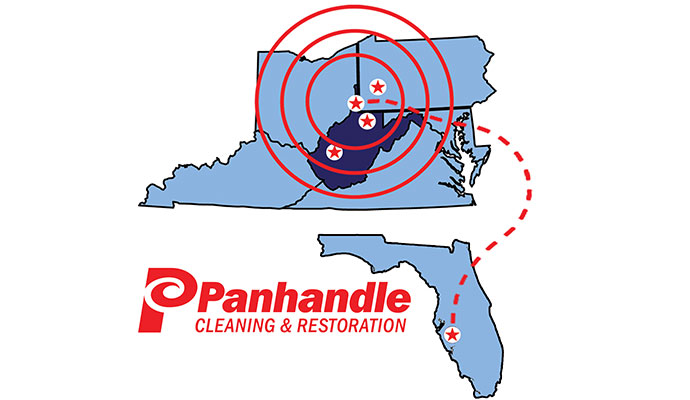
We serve locations in West Virginia, Ohio, Pennsylvania, Maryland, Kentucky, and Florida. Call us or submit our online form to schedule an assessment. Take the next step towards restoring your fire-damaged property.