Practical Ways to Prevent Fires and Enhance Your Overall Safety
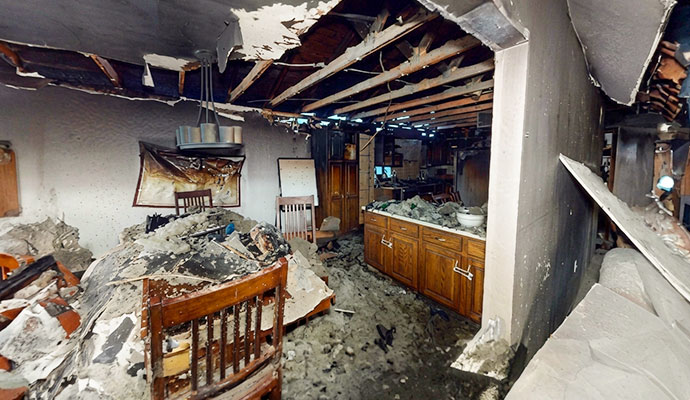
A fire spreads through a home or business in minutes, causing extensive damage that takes months to restore. Most fire hazards are caused by everyday activities, equipment failures, and unsafe conditions that can often be prevented.
Read here about practical ways to lower the risks of property fires at home or work. Learn what to do in the event of a fire and how to respond quickly when an emergency occurs.
Kitchens Can Become Fire Hazards
Most house fires start in kitchens than in any other room. Unattended cooking and grease buildup are common causes of these incidents. Simple safety habits can make a big difference in keeping your kitchen safe:
Inspect cords on kitchen appliances for frayed or exposed wiring.
Grease buildup on stove surfaces and vents can ignite quickly.
Keep flammable items like towels and paper off the stove.
Set a timer whenever you cook so nothing is forgotten.
A fire extinguisher should be kept nearby and readily accessible.
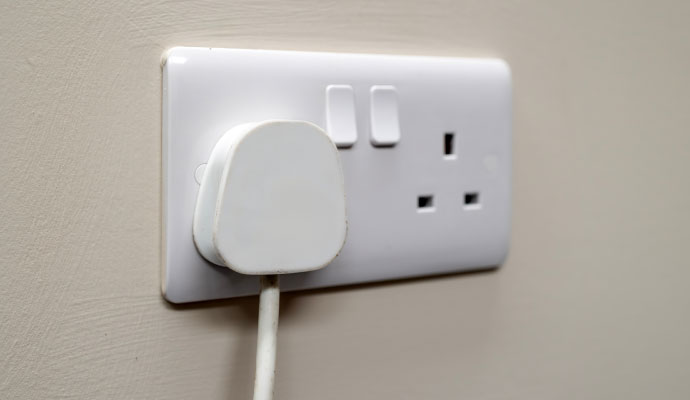
Spotting Electrical Issues Early
Faulty wiring causes thousands of fires every year. Overloaded outlets and frayed cords often go unnoticed until too late. Learning the warning signs helps you catch problems before they spread.
- Flickering lights: Lights that flicker or dim often indicate a wiring problem.
- Warm outlets: Outlets that feel warm or hot need attention right away.
- Burning odors: A burning odor near outlets or switches is a sign of danger.
- Frequent breaker trips: Breakers that trip often indicate an overloaded circuit.
- Sparking outlets: Sparks from an outlet mean the wiring needs to be checked.
- Discolored outlets: Scorch marks or discoloration around outlets indicate fire risk.
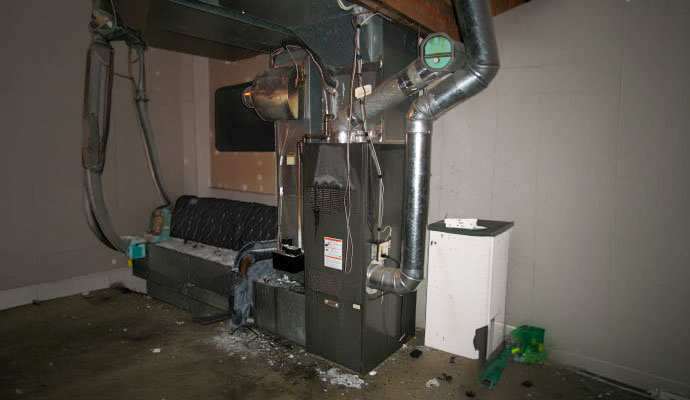
Heating Equipment and Risks of Fires
Heating equipment such as space heaters, fireplaces, furnaces, and wood stoves can cause fires. Problems with the equipment or flammable materials placed too close to it increase the risk of a fire hazard. Damaged cords, blocked vents, and other equipment issues also create dangerous conditions.
Flammable items should be kept at least three feet away from heat sources. Professional inspections help identify equipment problems before they become serious. Keeping heating equipment in good condition and maintaining clear areas around heat sources also reduces fire risks.
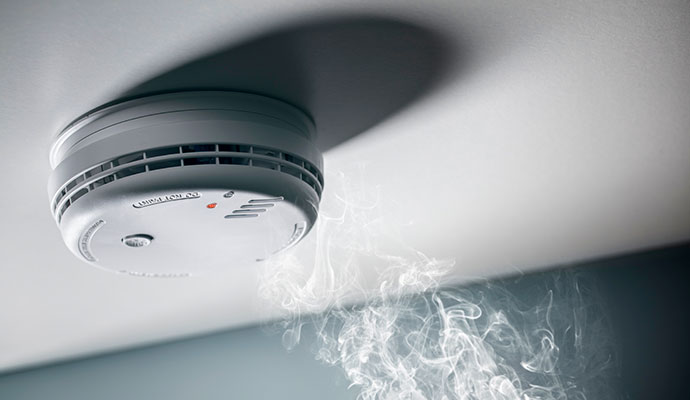
Keep Smoke Detectors Operational
Smoke detectors only work if you maintain them properly. Where you place them and how often you test them is also important. Here are some basic practices to keep your smoke detectors working reliably:
- Test alarms once a month using the built-in test button.
- Replace batteries twice a year or when the alarm activates.
- Replace detectors every ten years, no matter their condition.
- Place detectors away from kitchens and bathrooms to reduce false alarms.
- Check alarms after any power outage to make sure they still work.
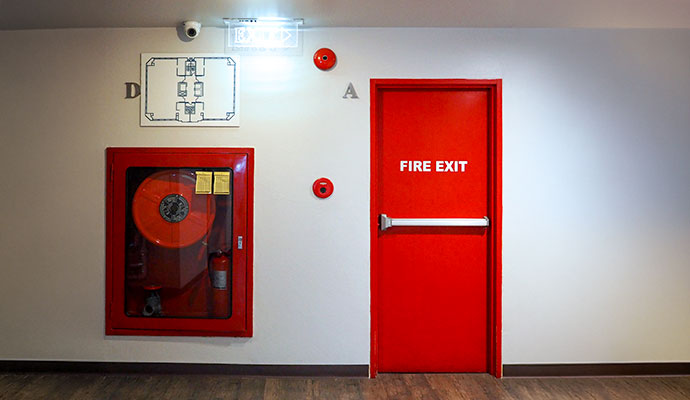
Put Your Fire Escape Plan in Place
Every room in your home or business should have two clear exits in case a fire blocks the main route. Choose a meeting spot outside where everyone can gather safely after leaving the property.
Practice the escape plan with family members or employees at least twice a year. Businesses also need clear evacuation procedures, so staff and customers know where to go and what to do during a fire.
What to Do When a Fire Occurs
Fires can spread quickly, and a fast, calm response is critical. Focus on getting out safely instead of grabbing belongings. Every second counts.
Leave the property right away without stopping to gather items.
Crawl low under smoke to avoid breathing in dangerous fumes.
Feel doors for heat before opening them during a fire.
Leave everything behind and focus only on getting out safely.
Call emergency services once you're safely away from the property.
Stay outside no matter what you might have left behind.
Next Steps After the Fire
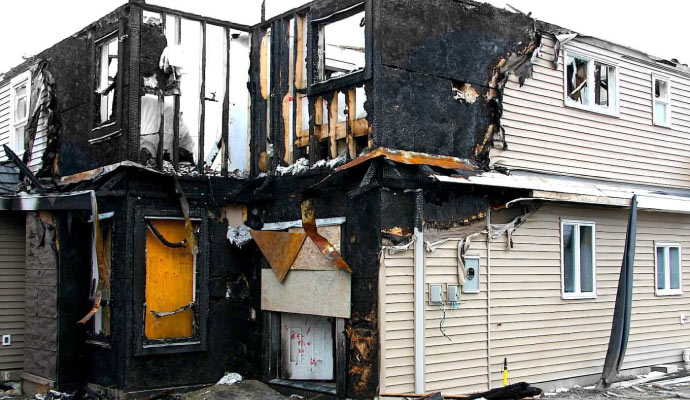
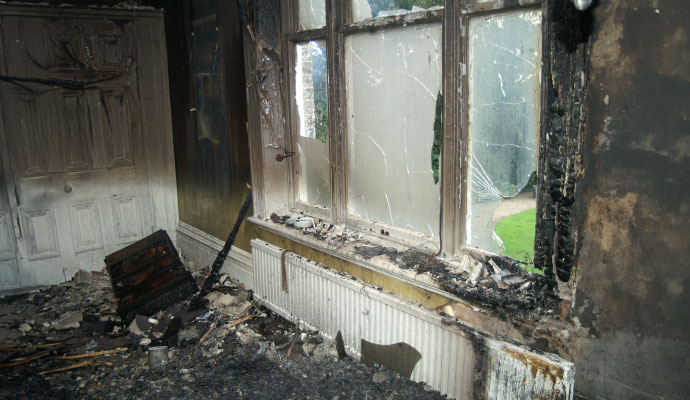
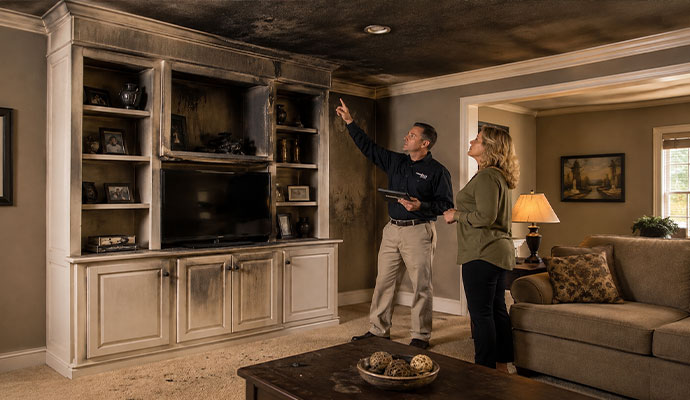
Fire damage will spread even after the flames go out. Don't re-enter your property until officials confirm it's fully safe. Contact your insurer and call our restoration service right away. Keep these important considerations in mind:
- Wait for officials to declare your property safe before entering.
- Contact your insurance provider right away to start your claim.
- Call us right away to limit smoke and water damage.
- Avoid touching soot-covered items since the residue can spread further.
- Take photos of all damage before cleanup starts for insurance.
- Keep receipts for any temporary housing or emergency expenses incurred.
Restore Your Property After Fire Damage
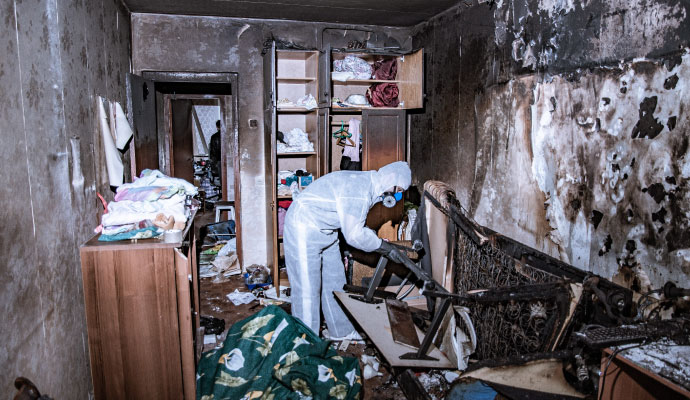
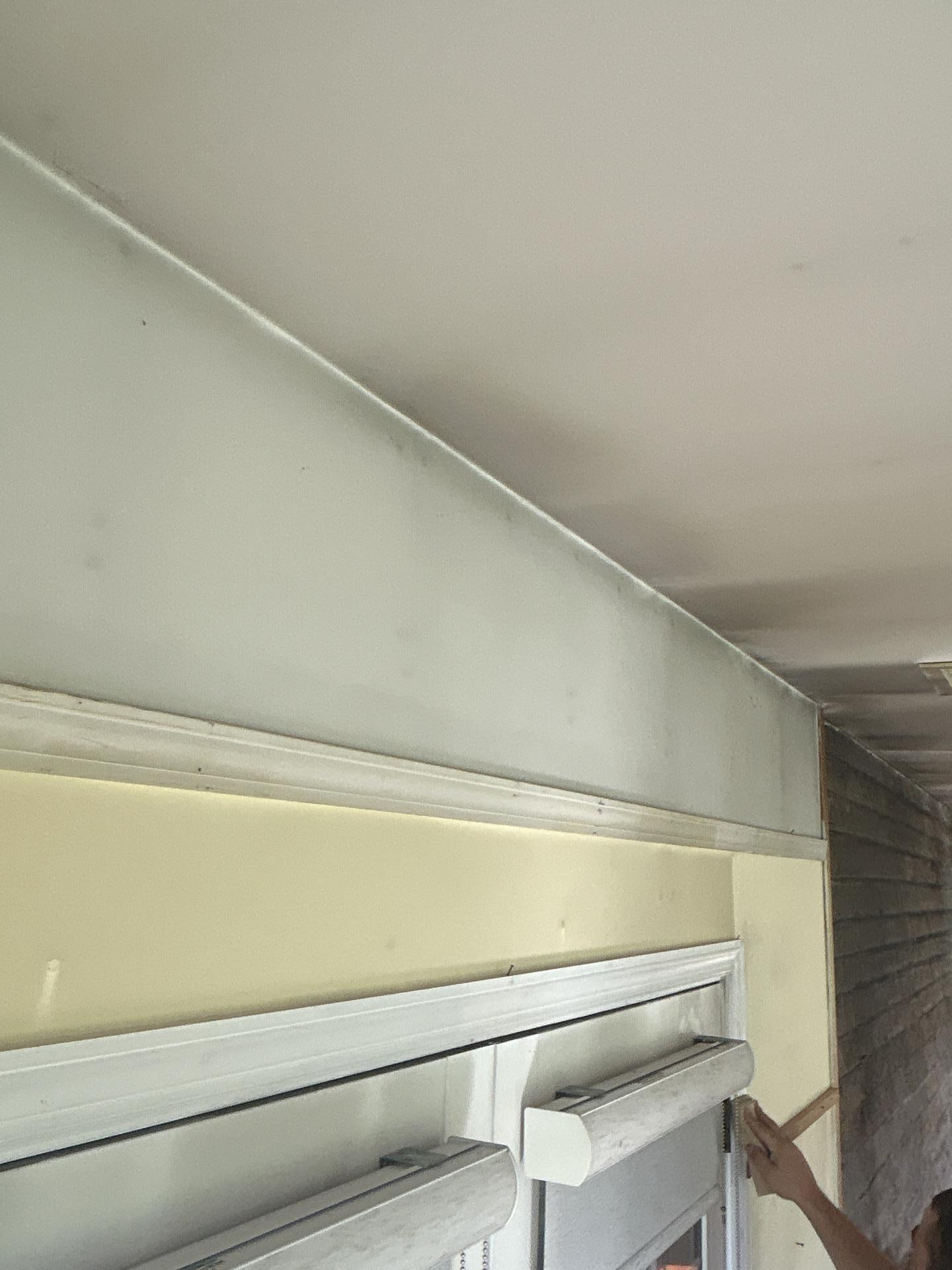
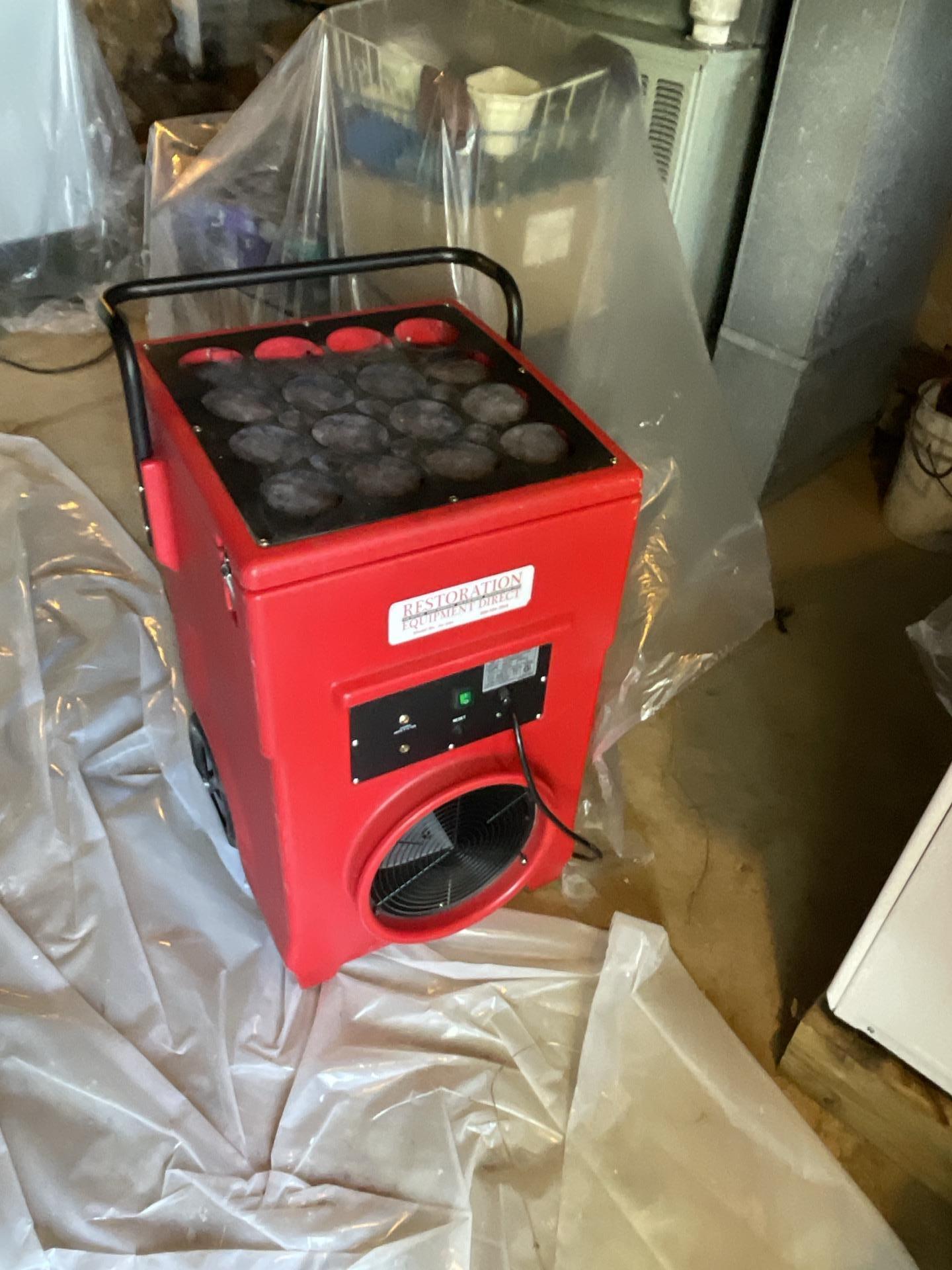
At Panhandle Cleaning & Restoration, we thoroughly clean and remove debris and soot from fire-damaged surfaces throughout your property. We also treat lingering smoke odors that regular cleaning cannot eliminate, helping restore a cleaner environment.
If firefighting efforts leave water behind, we provide water damage restoration to prevent mold growth and moisture spreading. Count on us to completely restore your home or business to its pre-damaged condition.
Call Us for Professional Assistance
Even with careful fire prevention, fires can still cause serious damage to your home or business. Once the fire is out and officials have cleared the property, our cleanup and restoration help address the aftermath.
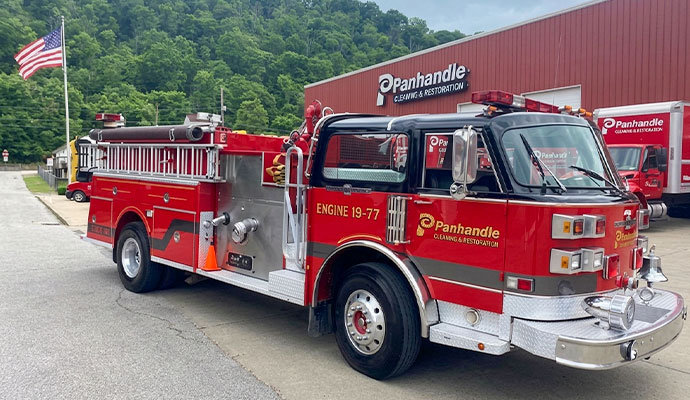
Call Panhandle Cleaning & Restoration or go to our online request form to book our professional fire damage cleanup and restoration services. Our certified experts will assess your fire damage and discuss the next steps for your recovery.
866-515-2364
4.93 out of 583 reviews

Other pages you may be interested in...