Common Causes of Mold
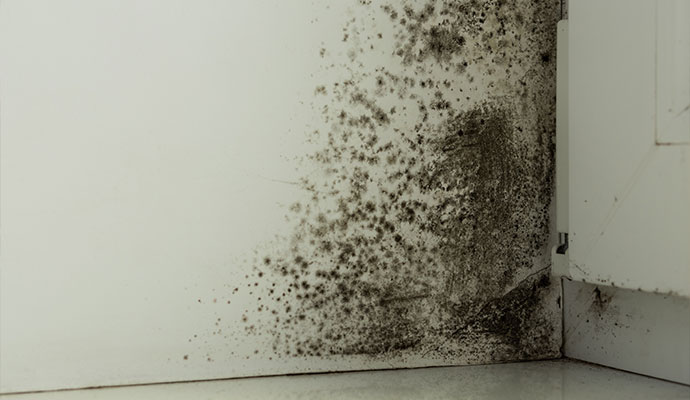
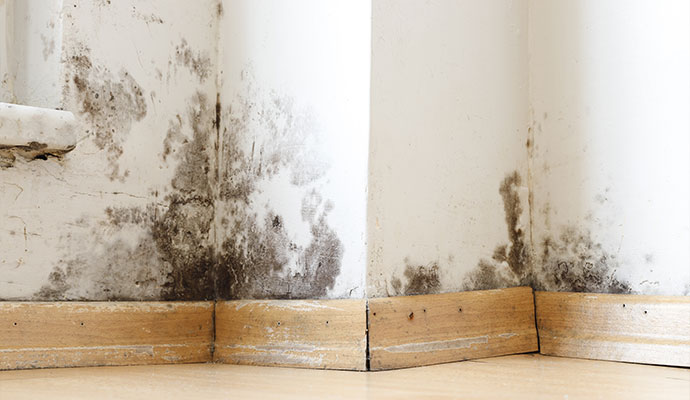
Leaks, damp walls, and unexplained mold patches leave property owners searching for the source of moisture. However, it often remains hidden behind walls, beneath floors, or in other concealed areas.
This article explains common causes of mold, including plumbing failures, water damage, and indoor humidity. Learn how these issues lead to mold growth, which signs indicate a moisture problem, and when to seek professional remediation.
The Main Factors Behind Mold Growth
Mold grows when moisture enters a building or accumulates indoors. The following sources explain how leaks, water damage, humidity, and other moisture problems lead to mold growth.
 Plumbing leaks
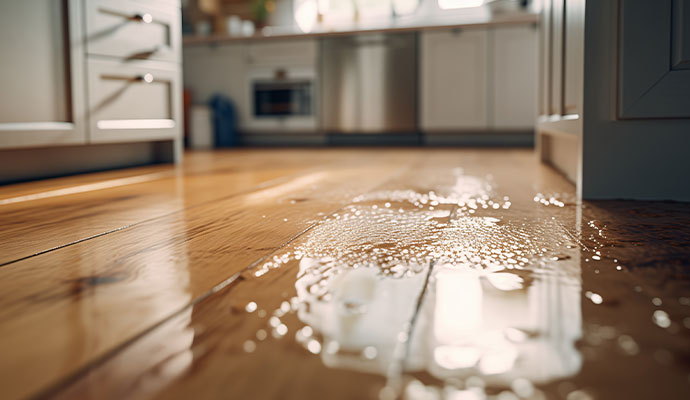
Leaking pipes cause moisture buildup in nearby materials.
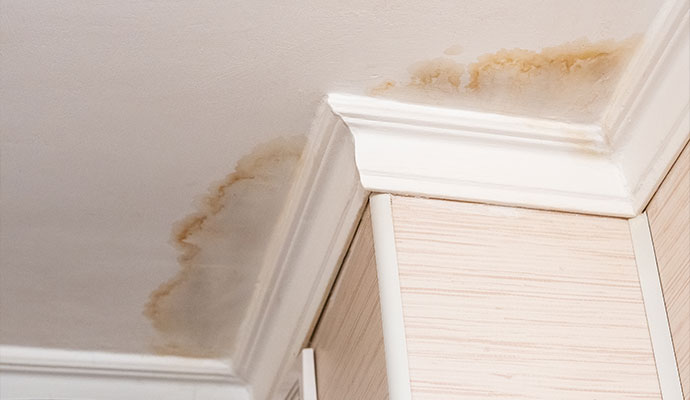 Roof damage
 exposes ceilings and attics to rainwater.
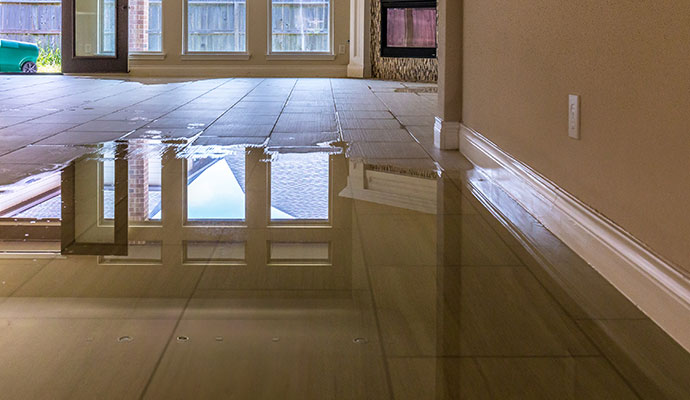 Water damage
Floodwater saturates absorbent materials and leaves residual moisture.
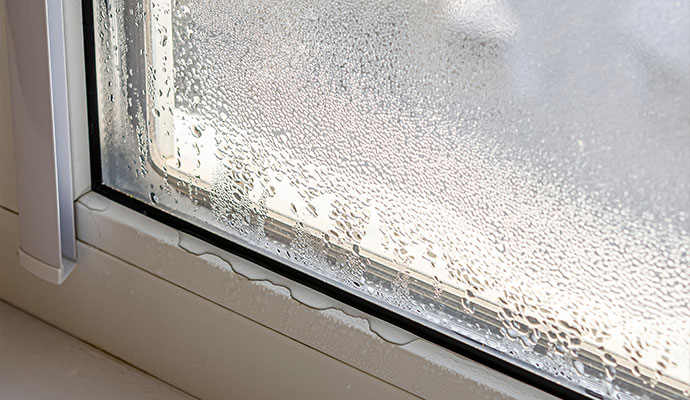 High humidity
High indoor humidity causes condensation on cool surfaces.
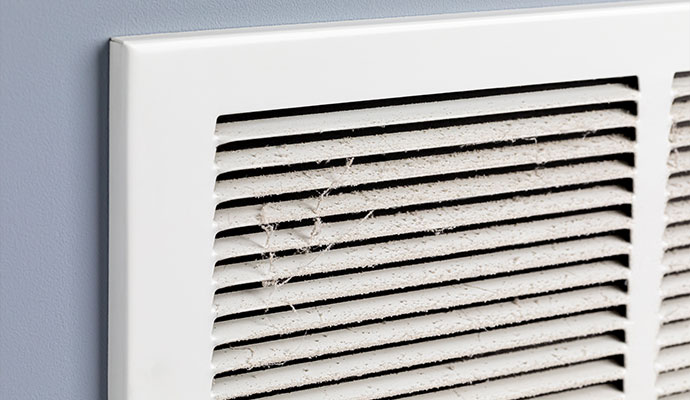 Poor ventilation
Inadequate air circulation results in excess indoor moisture.
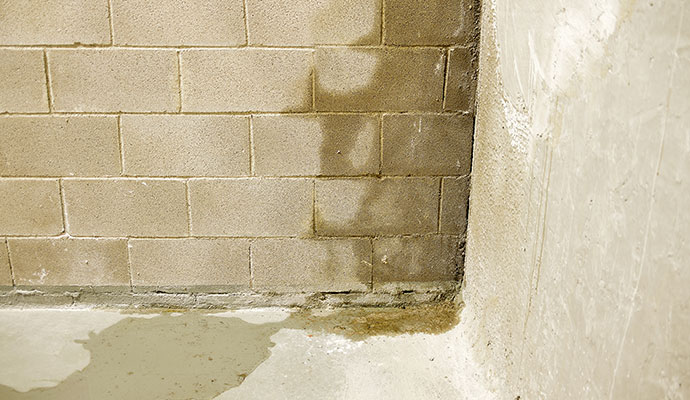 Ground moisture
Groundwater seeps through foundation walls into basements and crawl spaces.
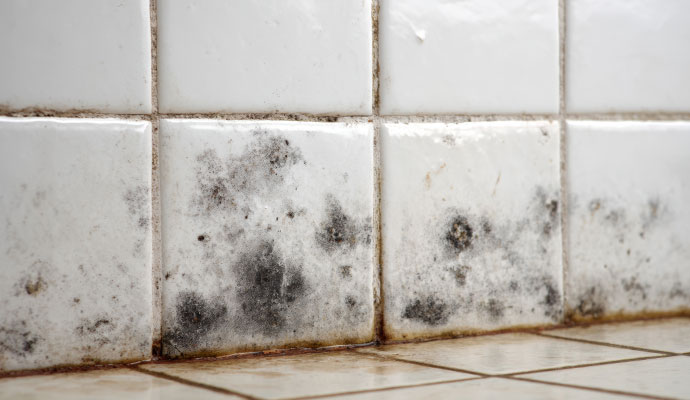
Mold Growth Caused by Plumbing Problems
Hidden plumbing leaks often go unnoticed until water stains or musty odors become noticeable. Leaks behind walls, beneath floors, and inside cabinets leave materials damp for extended periods, creating conditions for mold to grow and spread. Common examples include:
- Loose sink connections cause water to accumulate inside vanity cabinets.
- Cracked drain lines cause moisture buildup beneath bathroom floors.
- Damaged toilet seals allow water to seep beneath surrounding flooring.
- Faulty shower valves cause moisture buildup behind wall tiles.
- Pinhole leaks cause water accumulation inside walls and insulation.
- Leaking refrigerator water lines cause moisture buildup behind cabinets and beneath flooring.
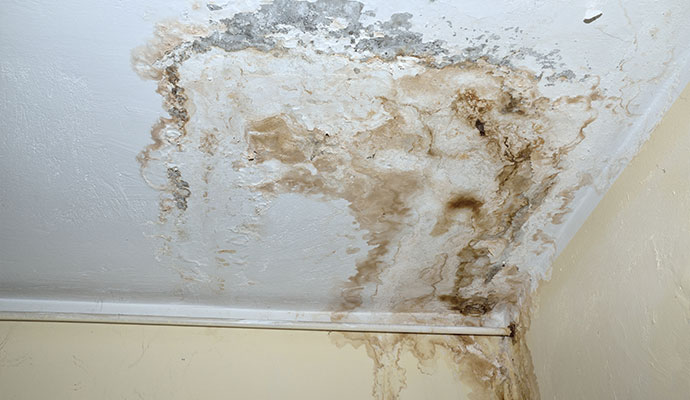
Roof Leaks and Water Intrusion
Missing shingles and damaged flashing allow rainwater to seep beneath the roof. Moisture in attic insulation, wooden rafters, and ceiling materials leads to mold growth before water stains become visible.
Cracks in exterior walls and gaps around windows create additional entry points for rainwater. Check these areas for peeling paint, discolored trim, and persistent dampness, which often indicate leaks that need repair.
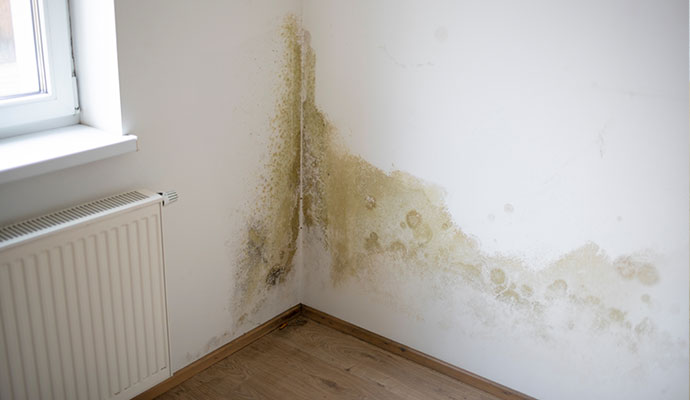
Mold Growth After Water Damage
Water damage after a leak or flood increases the risk of mold growth, especially if the affected materials remain wet for more than 48 hours. Moisture trapped in flooring, drywall, and insulation is also a factor. Here are some common situations when water damage directly leads to mold:
- Washing machine overflows leave nearby flooring and baseboards wet.
- Dishwasher leaks soak cabinet bases and the subfloor beneath them.
- Water heater failures release water onto nearby flooring and walls.
- Broken aquariums soak flooring, baseboards, and nearby furnishings.
- Firefighting efforts leave drywall and insulation saturated with water.
- Severe storms soak ground-level flooring, stored belongings, and furnishings.

How Excess Indoor Moisture Leads to Mold
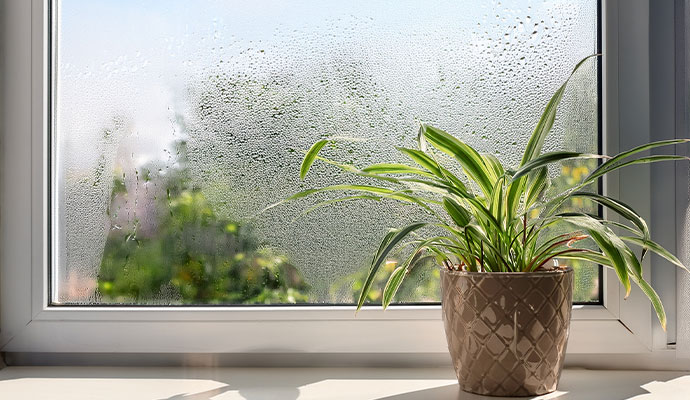
Everyday activities such as cooking and bathing add moisture to indoor air. When humid air meets cold windows, walls, or pipes, water droplets form on those surfaces.
When condensation repeatedly dampens these surfaces, mold grows on nearby dust, drywall, and other materials. Poor ventilation and high indoor humidity increase condensation and the risk of mold growth.
Poor Ventilation and Moisture Buildup
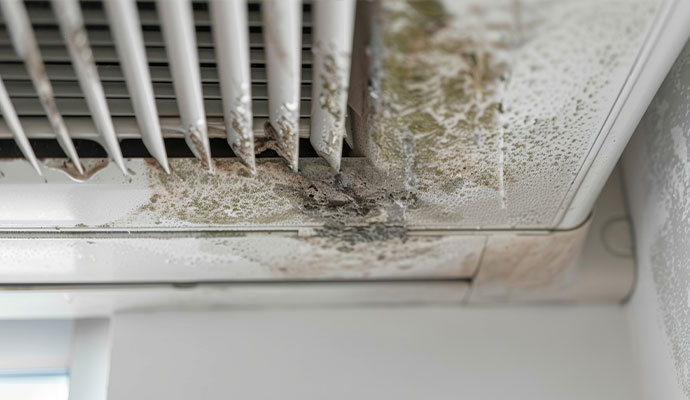
Ventilation removes humid indoor air and brings in cooler outdoor air to reduce excess humidity. When exhaust fans are weak, blocked, or absent, moisture from everyday activities lingers, keeping indoor humidity elevated.
Bathrooms, kitchens, laundry rooms, and commercial utility areas produce substantial moisture during use. Without effective exhaust ventilation, humid air remains trapped in enclosed spaces, increasing the likelihood of condensation and prolonged dampness on nearby surfaces.
Activities That Raise Indoor Humidity
As discussed above, several everyday activities add moisture to indoor air, increasing humidity. Frequent showers, cooking, and indoor laundry drying result in moisture buildup, especially if ventilation is limited. Common examples include:
- Taking hot showers, which release steam that condenses on cooler bathroom surfaces.
- Boiling water and simmering food, which release water vapor into kitchen air.
- Drying laundry indoors, which releases moisture as water evaporates from wet garments.
- Opening a dishwasher after a cycle, which releases warm, humid air into the kitchen.
- Using a ventless clothes dryer, which releases moisture indoors.
- Mopping floors, which leaves residual moisture until the water evaporates.
How Damp Basements Result in Mold Growth
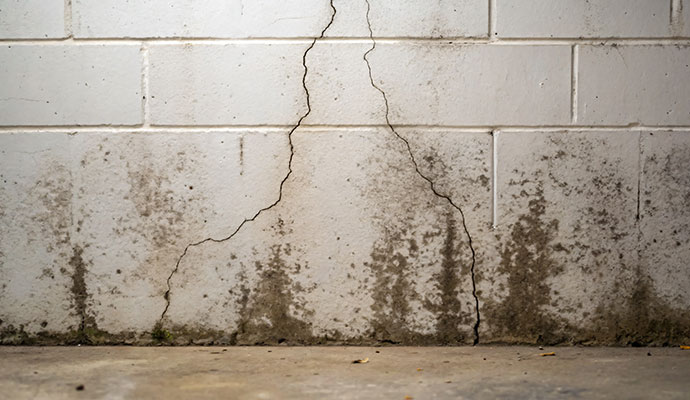
Rainwater seeps through foundation cracks, porous concrete, and poorly drained areas around basements. Persistent dampness leads to mold on drywall, wooden structures, and stored belongings.
In crawl spaces, a missing vapor barrier allows ground moisture to raise humidity. Poor ventilation slows drying, leaving wooden framing damp and vulnerable to mold growth.

Moisture Behind Walls and Beneath Floors
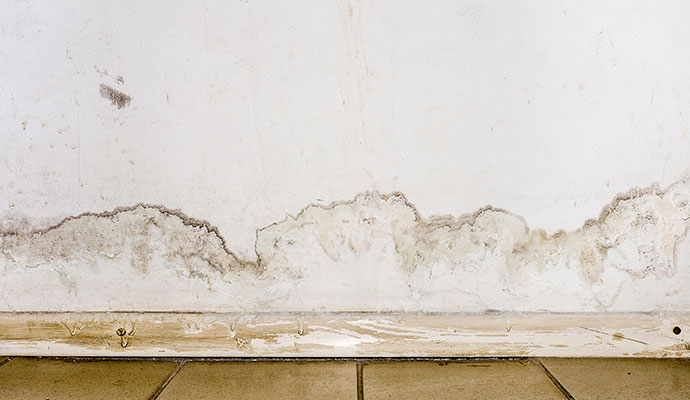
Small gaps around electrical outlets, wall joints, and floor edges sometimes reveal moisture trapped within wall and floor assemblies. Because finished surfaces conceal the underlying structure, discoloration and peeling paint often appear only after moisture has accumulated.
Vinyl flooring and other low-permeability finishes also restrict evaporation from damp subfloors. Mold grows on these surfaces when moisture remains trapped beneath them.
Why Mold Returns After Removal
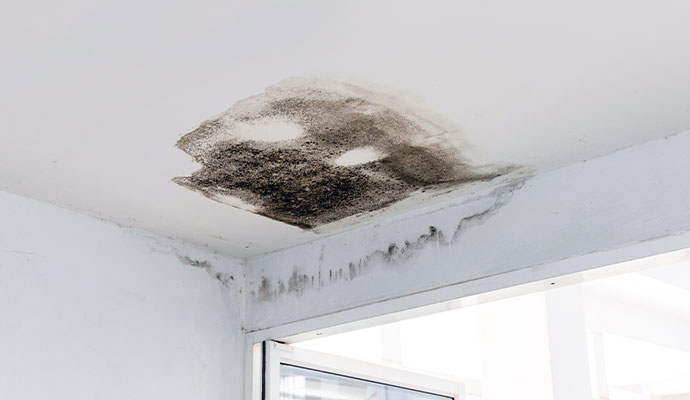
Mold often returns when moisture problems remain unaddressed. Cleaning away visible mold won't prevent it from returning. Persistent leaks, dampness, and other issues also cause recurring mold:
- Unfixed leaks
- Lingering dampness
- Hidden mold
- High humidity
- New leaks

When to Hire a Mold Removal Service?
Hire a professional mold removal service if mold keeps returning, spreads across a large area, or appears after significant water damage. Mold inside walls or HVAC components also requires professional attention.
At Panhandle Cleaning & Restoration, we provide mold remediation for residential and commercial properties. We assess the affected areas and determine the extent of the problem before recommending a suitable removal approach.
Mold Remediation for Homes and Businesses
Mold problems vary by location and affected materials. Turn to Panhandle Cleaning & Restoration for removing all kinds of mold contamination in your property. We address:



Reach Out Now for Expert Mold Removal
Recurring mold and hidden growth make it difficult to know how much of your property is affected. Turn to Panhandle Cleaning & Restoration for professional mold removal for your home or business. We serve major cities in multiple states. Call us today or contact us online to schedule an assessment.
866-515-2364